

Basic Survival in a Subarctic Environment – Fire, Water, and Energy
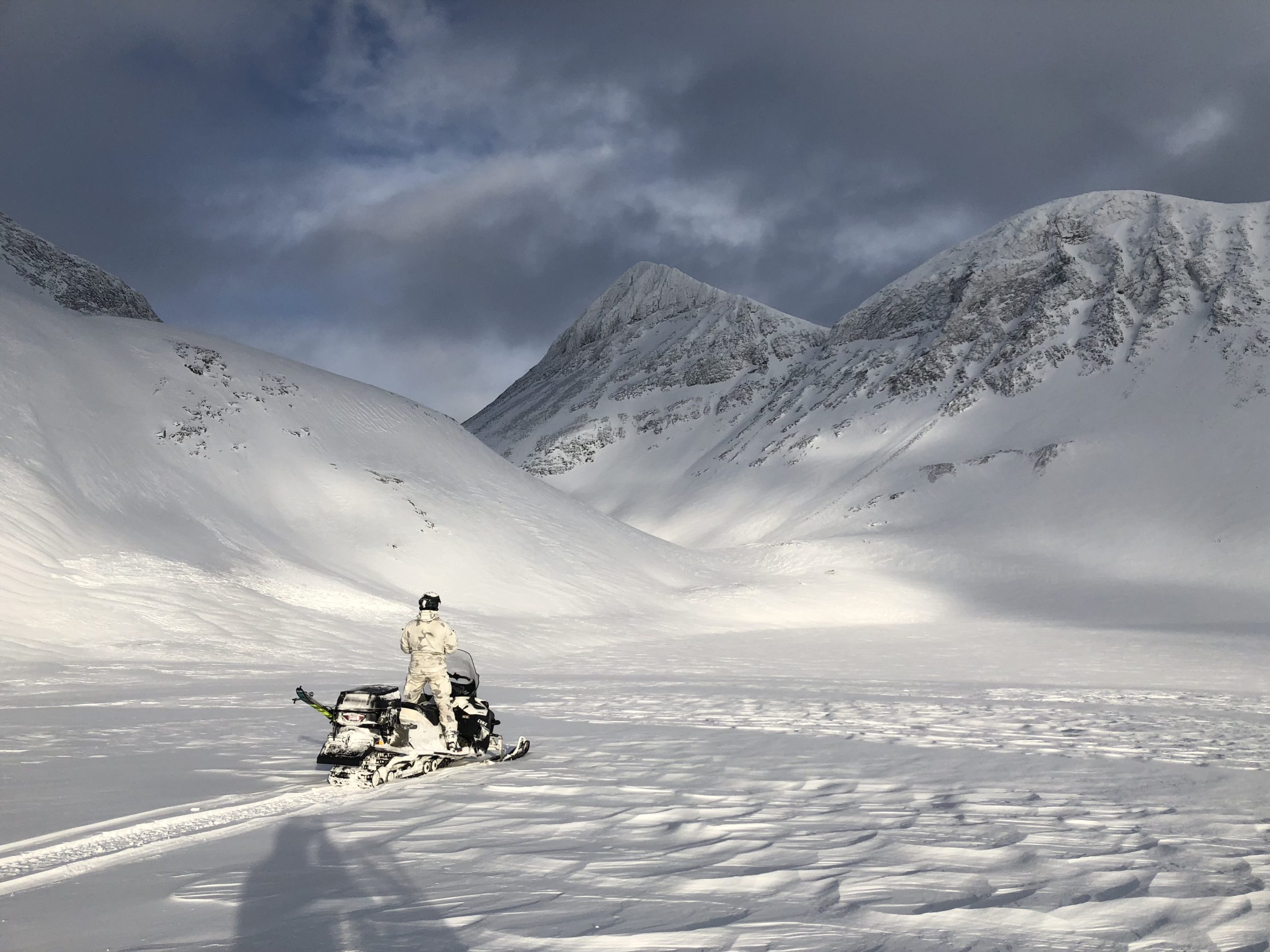
Subarctic environments place high demands on both knowledge and preparation. Cold temperatures, snow, and limited access to resources mean that small mistakes can quickly have serious consequences. To improve your chances of survival, it is essential to focus on a few fundamental priorities: warmth, water, and energy.
Fire – One of the Most Important Resources
In a winter environment, fire is often critical for survival. It provides warmth, allows food preparation, helps melt snow into drinking water, and can be used to dry clothing and equipment.
Standing dead pine and spruce trees are often excellent fuel sources because the wood is dry and easy to ignite. For this reason, it is important to always carry reliable fire-starting equipment, such as:
- Waterproof matches
- A ferro rod
- A fire kit with dry tinder
A simple fire can make the difference between maintaining body heat and developing hypothermia.
Dehydration Is More Common Than You Think
Even though snow and ice are abundant during winter, dehydration is a common problem. The body loses significant amounts of moisture through breathing in cold air, while the sensation of thirst is often reduced.
Melting snow for drinking water requires both time and energy, making proper planning essential. One simple way to monitor hydration levels is by observing the color of your urine. Dark yellow urine can be a sign of dehydration.
To reduce energy expenditure, warm drinks are generally preferable to cold ones. This prevents the body from using additional energy to warm the liquid to body temperature.
Natural Resources in Winter Environments
In northern regions, food sources are often limited during the winter months. Understanding which natural resources are available can therefore be an important survival skill.
Pine and spruce needles can be used to make a hot drink that contains vitamin C, something that has historically been valuable during extended stays in cold environments.
Certain lichens can also serve as an emergency food source. However, many require extensive processing before they are safe to eat, meaning the energy spent collecting and preparing them must be weighed against the calories they provide.
Energy Is Critical in Cold Conditions
Cold climates dramatically increase the body’s energy requirements. The body constantly works to maintain a safe core temperature, while movement through snow and difficult terrain requires significantly more effort than during warmer seasons.
As a result, calorie intake often needs to increase substantially during winter operations or outdoor activities.
Particularly important are:
- Fats
- Protein
- High-energy snacks
- Regular fluid intake
Many field rations contain large amounts of carbohydrates but may need to be supplemented with additional fats to meet the body’s demands in arctic and subarctic conditions.
Movement or Staying Put – A Critical Balance
In any survival situation, it is important to balance energy expenditure against access to resources.
Remaining in one location for too long may mean that available fuel and other resources become depleted. On the other hand, movement can require a significant amount of energy.
Every situation is unique, but the general principle is to avoid unnecessary energy expenditure while ensuring access to warmth, water, and food.
Summary
Survival in subarctic environments is largely about prioritizing the right resources in the right order. The ability to generate warmth through fire, secure a reliable water supply, and maintain energy balance is often essential for enduring extended periods in winter conditions.
With the right knowledge, preparation, and decision-making, even challenging environments can be managed safely and effectively.
Back to Articles & News