

Basic Field Medicine – Essential Actions for Accidents and Injuries
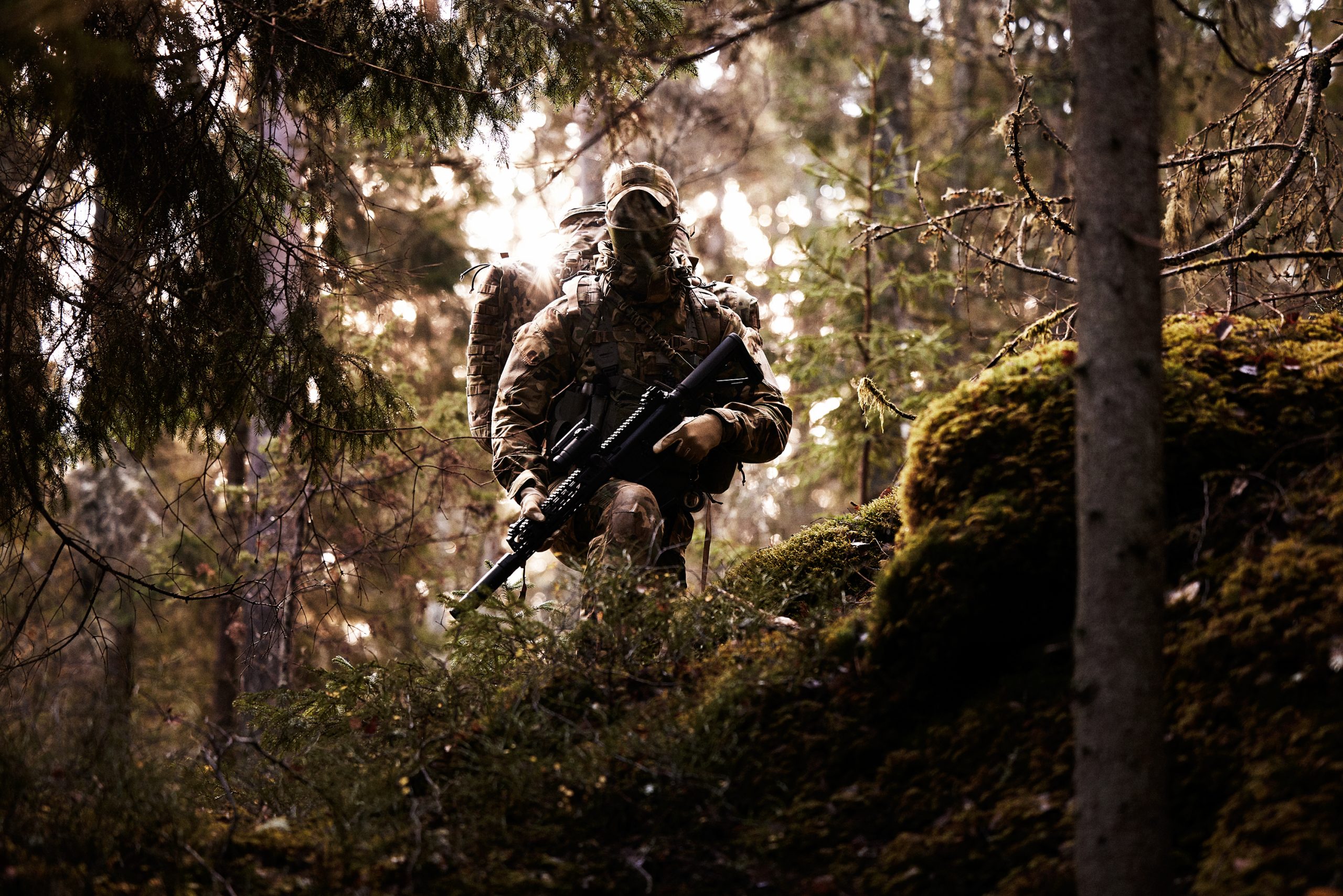
When an accident occurs, the first few minutes can be critical. Understanding the fundamentals of field medicine and first aid allows you to quickly identify life-threatening conditions and provide appropriate care until professional medical assistance arrives.
One of the most widely used methods in emergency care is the ABCDE approach, a structured assessment system that helps prioritize actions in the correct order.
ABCDE – A Proven Method for Emergency Care
The ABCDE approach stands for:
A – Airway
Ensure that the airway is clear and unobstructed. In unconscious casualties, the tongue can fall backward and block the airway. Open and maintain the airway while stabilizing the neck if a spinal injury is suspected.
B – Breathing
Assess whether the casualty is breathing normally. Check the breathing rate, depth of breathing, and look for signs of respiratory distress.
C – Circulation
Control any visible bleeding immediately. Severe bleeding is one of the most common causes of preventable death following trauma.
D – Disability
Assess the casualty’s level of consciousness and check pupil response. Changes may indicate serious head injuries or neurological problems.
E – Exposure
Conduct a systematic examination of the body for bleeding, swelling, deformities, burns, or other injuries.
How to Control Severe Bleeding
When dealing with major bleeding, follow these principles:
- Apply direct pressure to the wound
- Elevate the injured area if possible
- Apply a pressure dressing
- Reinforce the dressing if necessary
If bleeding cannot be controlled using these methods, a tourniquet may be required as a last resort.
Recognizing the Signs of Shock
Circulatory shock can occur as a result of severe blood loss, burns, or major trauma.
Common signs and symptoms include:
- Pale or grayish skin
- Cold sweating
- Rapid, weak pulse
- Confusion or anxiety
- Increased breathing rate
- Increasing fatigue or loss of consciousness
The most important actions are to control bleeding, maintain an open airway, and protect the casualty from hypothermia.
Common Injuries in Field Environments
Chest Injuries
Chest trauma can affect the lungs and breathing. Common signs include shortness of breath, chest pain, air hunger, and bluish discoloration of the lips.
Abdominal Injuries
Abdominal injuries can be particularly serious because internal bleeding may occur without obvious external signs.
Arm and Leg Injuries
Suspect fractures if there is pain, swelling, or visible deformity. Stabilizing and immobilizing the injury helps reduce pain and prevent further damage.
Burns
Cool the burn with water as soon as possible, cover it with a dressing, and protect the casualty from becoming cold.
Cold Injuries and Hypothermia
Early signs include numbness and pale or white skin. As hypothermia progresses, the casualty may become confused, lethargic, and eventually unconscious.
Recovery Position for Unconscious Casualties
If a casualty is unconscious but breathing normally, they should be placed in the recovery position.
This helps keep the airway open and reduces the risk of airway obstruction while awaiting medical assistance.
CPR and Life-Saving Interventions
If the casualty is not breathing normally, CPR should be started immediately.
The basic principle is:
- 30 chest compressions
- 2 rescue breaths
- Approximately 100–120 compressions per minute
Continue CPR until professional medical help takes over or the casualty begins breathing normally again.
Summary
Knowledge of basic field medicine can make a significant difference during accidents and emergencies. By following the ABCDE approach, controlling severe bleeding, recognizing the signs of shock, and being able to perform CPR, you greatly improve the chances of saving lives and reducing the consequences of serious injuries.
Back to Articles & News